


The IRV Files
How Salted Egg Became Singapore's Biggest Snack Trend
Why Is Salted Egg So Popular in Singapore?
Salted egg is popular in Singapore due to its centuries-old preservation technique. Transforming the humble duck egg into a rich, umami-loaded flavour that fits the local love of bold, savoury snacking.
It bridges heritage and modern snack culture — showing up in hawker dishes, home cooking, and packaged snacks alike. That journey from family kitchen to grab-and-go pouch has cemented salted egg as one of Singapore's most recognisable culinary exports.
Where Does Salted Egg Come From Originally?

Salted egg has its roots in Cantonese cuisine, where duck eggs were cured in brine or salted clay for several weeks. The curing process breaks down the yolk into a dense, savoury paste with a distinct umami edge, which is exactly the quality that makes it so effective as a snack flavouring today. This technique travelled through southern Chinese communities across Southeast Asia, including Singapore, where it settled into local kitchens as a pantry staple.
How Did Salted Egg Become a Staple in Singapore?

In Singapore, salted egg moved from preserved ingredient to signature flavour through home cooking and hawker food. Dishes like salted egg crab turned the cured yolk into a rich sauce — prized for its custardy texture and savoury punch. As Singapore's food scene blended Chinese, Malay, Indian and Peranakan influences, salted egg crossed into new dishes well beyond its Cantonese origins, becoming a flavour Singaporeans consider distinctly their own.
When Did Salted Egg Snacks Take Off?

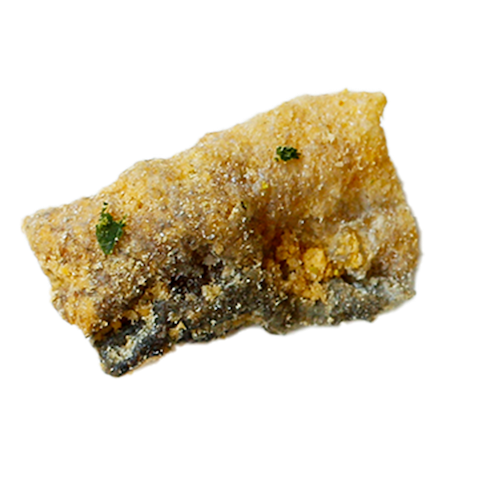
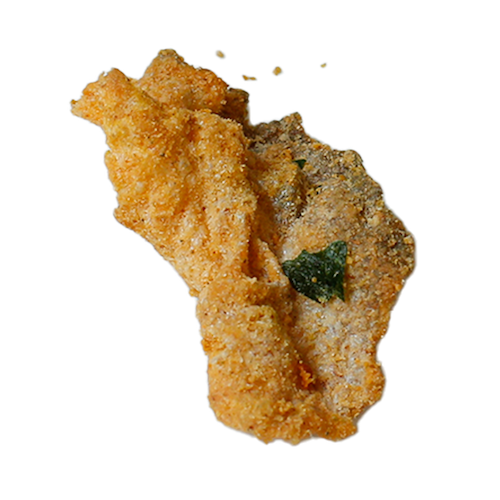
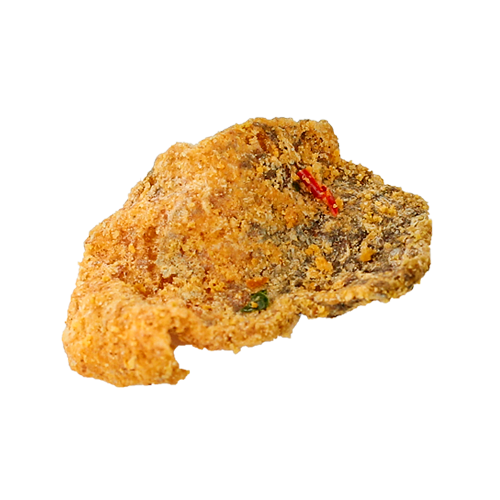
Salted egg's shift from sauce to snack happened around the mid-2010s, when Singapore F&B businesses began coating potato chips and fish skin in salted egg seasoning instead of serving it as a savoury dish. What started as a side offering at local eateries grew into a full snack category within a few years. The shift mattered because it unlocked a much bigger audience: a plate of salted egg crab doesn't travel, but a sealed pouch of salted egg chips does — which is exactly what turned a local flavour into a portable one.

How Did IRVINS Bring Salted Egg to the World?
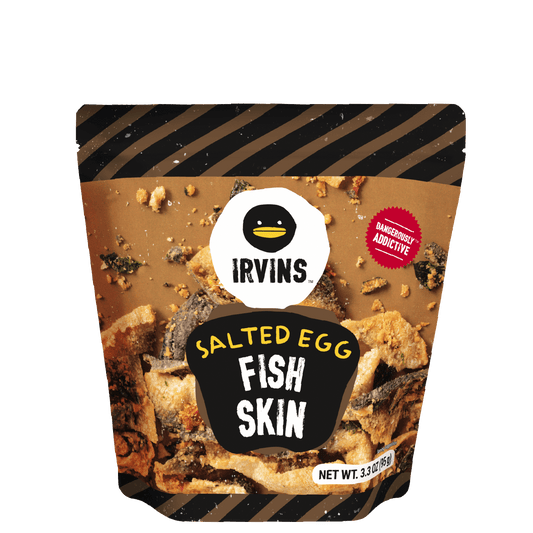
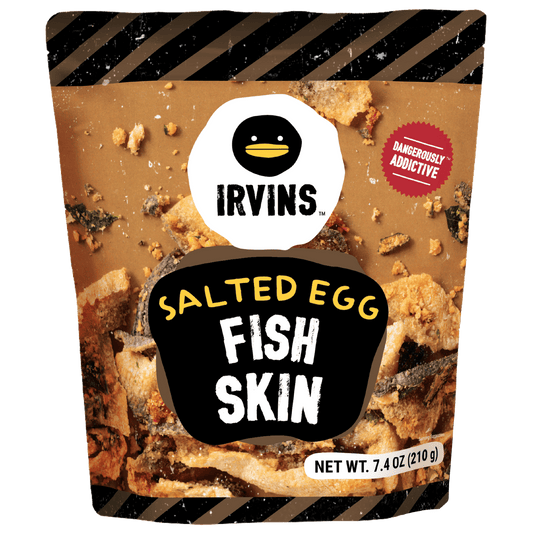
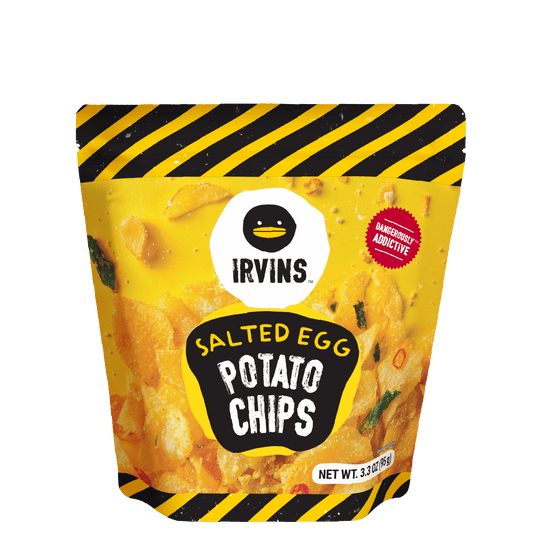
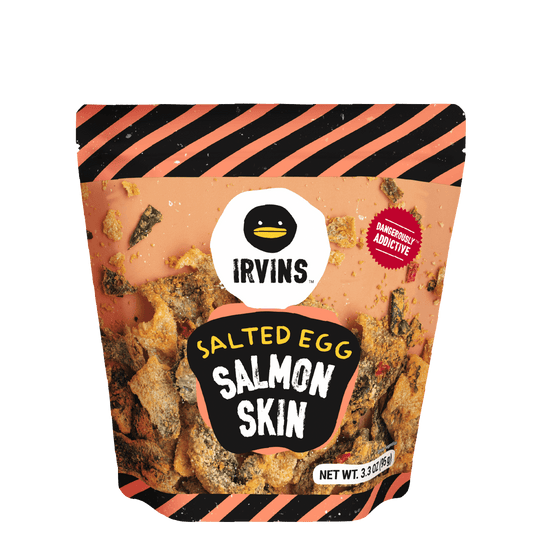
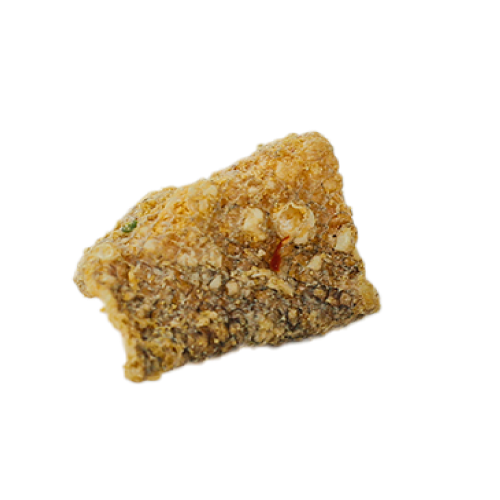
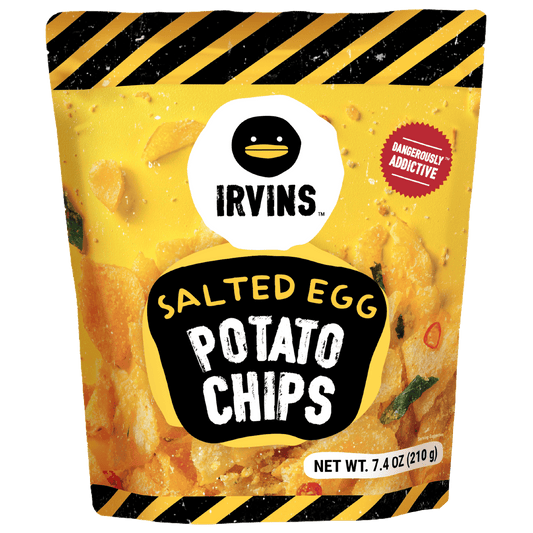
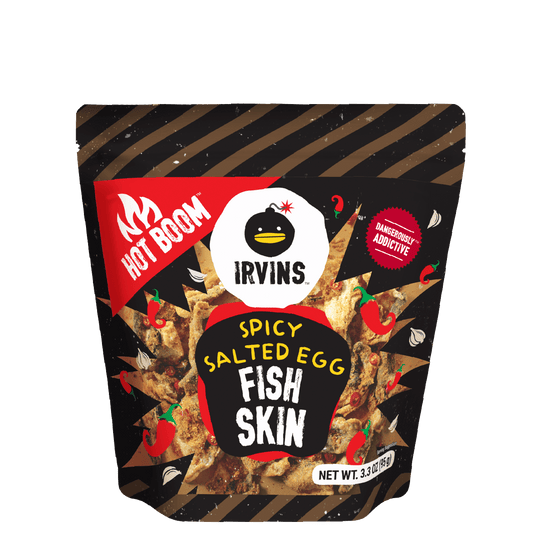
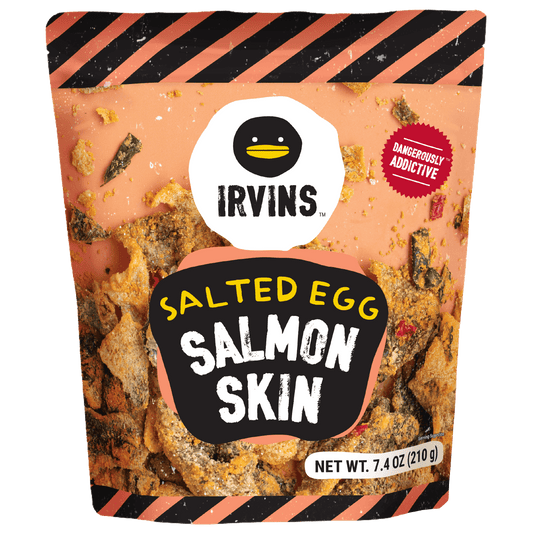
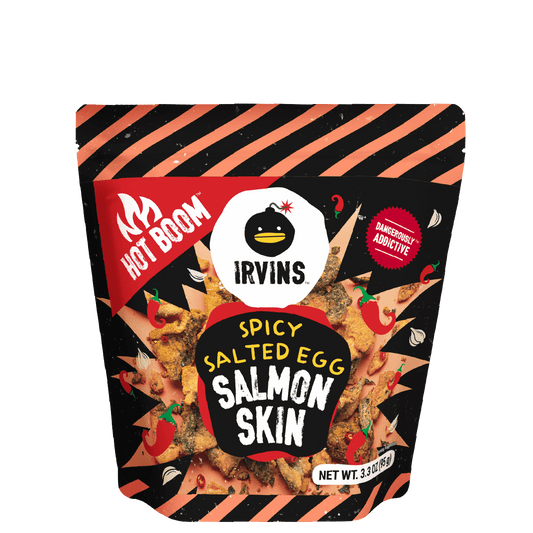
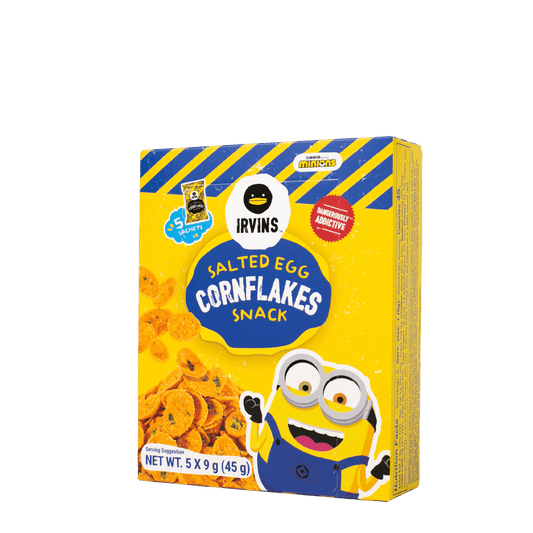
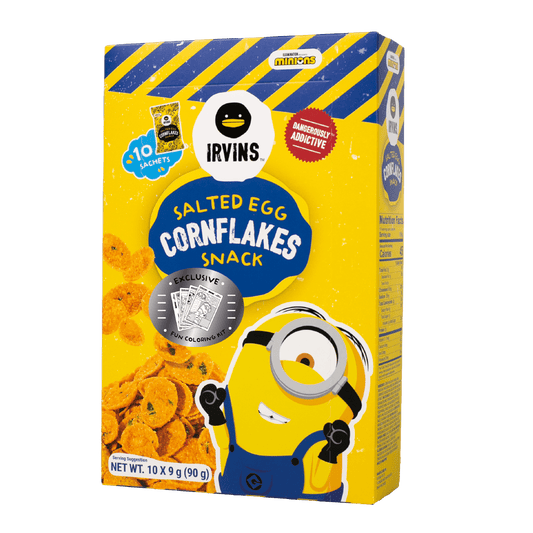
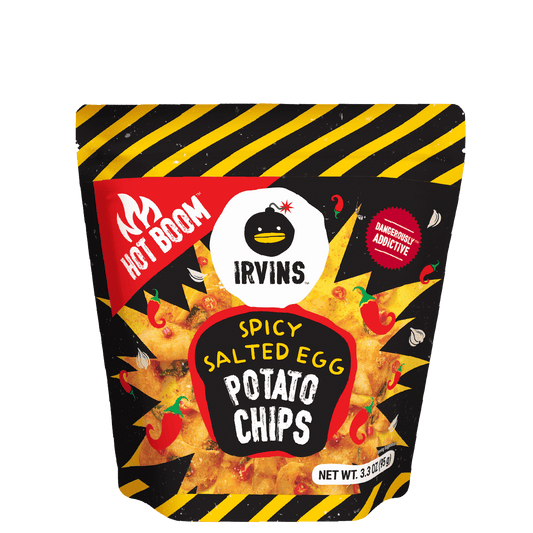
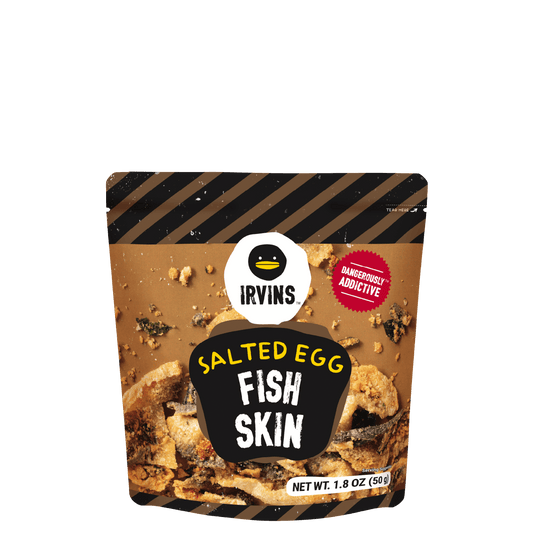
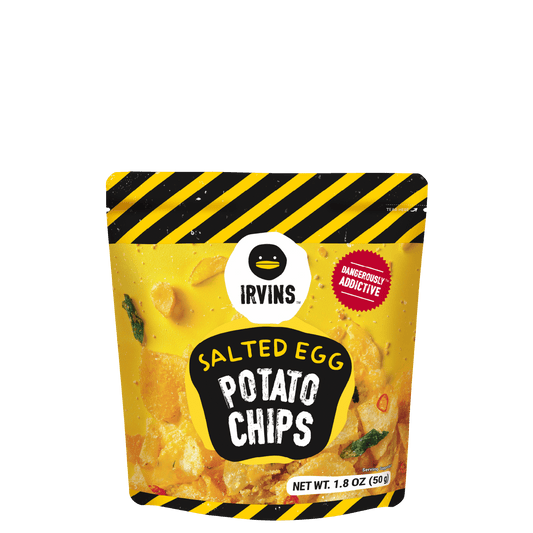
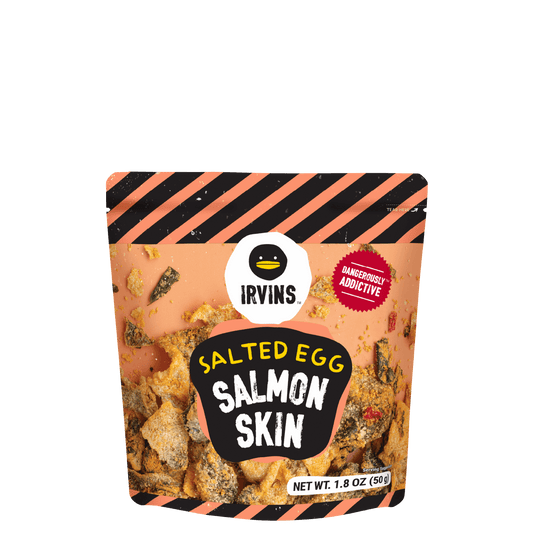
IRVINS was among the earliest brands to package salted egg as a standalone snack, turning a home-and-hawker flavour into shelf-stable Salted Egg Fish Skin and Salted Egg Potato Chips. Since then, the brand has expanded well beyond Singapore, with international demand driven largely by travellers discovering the snack here and bringing it home. Retail presence at key tourist touchpoints in Singapore helped cement salted egg snacks as a go-to souvenir.

Is Salted Egg Still Trending?
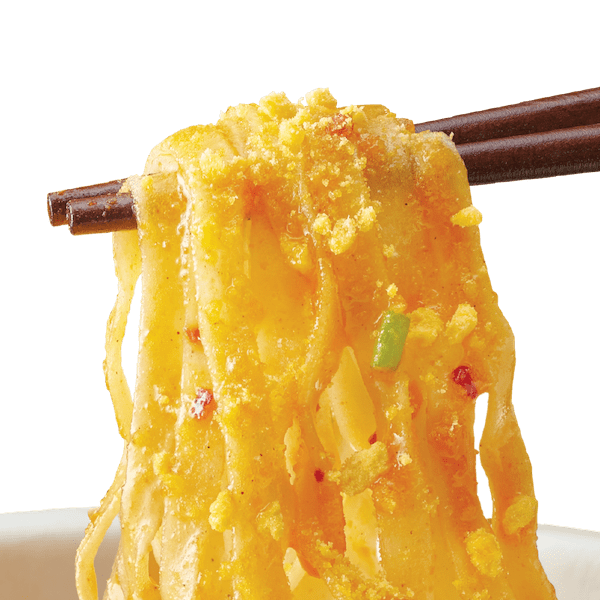
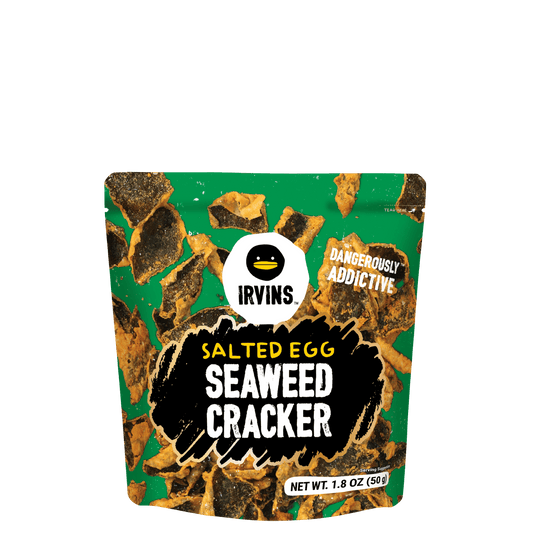
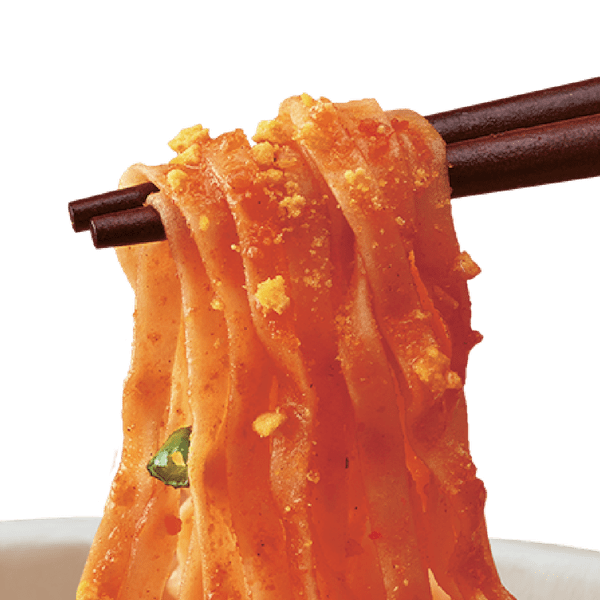
Salted egg hasn't faded as a flavour trend — it's expanded. Beyond potato chips and fish skin, it now shows up in instant noodles, popcorn, chocolate, and limited-edition collaborations, which points to a flavour that's moved from novelty to established category. Tourist demand remains strong, salted egg snacks continue to rank among the most searched Singapore souvenirs online.